Canadian winters are known for their stunning landscapes and vibrant culture, but they can also be a challenge if you’re not prepared. Whether you’re a newcomer or a seasoned resident, here’s your ultimate guide to navigating the chilly months in Canada.

1. Dress for Success: Layering is Key in winters
Layering is vital for keeping warm. Here’s how to do it correctly:
Base Layer: Begin with moisture-wicking thermal shirts and bottoms. Look for materials that keep you dry, such as merino wool or synthetic textiles.
Insulating Layer: Add warmth with a fleece or wool jumper. This layer retains heat yet allows moisture to escape.
Outer Layer: Purchase a high-quality, waterproof, and windproof jacket and trousers. Look for adjustable hoods and cuffs.
Accessories are important.
Do not forget your accessories! A thick hat, scarf, gloves or mittens, and insulated boots are essential for surviving the bitter weather.
Your feet will take the brunt of the cold, so choose wisely:
- Winter Boots: Opt for insulated, waterproof boots with good traction. Brands like Sorel and Columbia offer great options.
- Warm Socks: Thick, wool socks will keep your feet warm and comfortable.

Places You Must Visit In Winters
No place on Earth captures the majesty of winters quite like Canada. Indeed, across the nation, Canadians have learned to embrace the snow and ice through various exhilarating sports. For instance, activities such as skiing, snowboarding, ice climbing, and ice skating allow enthusiasts to experience the beauty of the season firsthand.
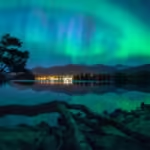
Moreover, snowshoeing, ice carving, glacier trekking, and viewing the mesmerizing Northern Lights add to the winter magic.
In addition, Canada hosts vibrant winter festivals from coast to coast, celebrating everything snowy and wonderful. Therefore, here are the top nine spots to enjoy the season and immerse yourself in Canada’s winter wonderland.
The lakefront mountains are snow-covered, the unbelievably blue waters reflect even brighter, and Banff resembles something out of Disney’s Frozen. Hikes like Johnston Canyon in Banff National Park take you along snow-covered paths with towering icicles and frozen lakes.
Lake Louise, situated in Banff National Park, earns its own position on our list because of the appropriately called Ice Magic Festival, which takes place every January and features expert ice carvers. Pick-wielding professionals build amazing masterpieces from 300-pound chunks of ice.


What do you think of bitter cold temperatures, blustering gusts, and getting sprayed in the face with chilly mist? What if you could experience the wonders of Niagara Falls with fewer visitors and more naturally occurring ice sculptures generated from the notorious Niagara mist congealing into icicles and spires? From November through February, Queen Victoria Park, which is close by, hosts the Winter Festival of Lights, which enchants spectators. An eight-kilometer stretch that passes through the Dufferin Islands, the primary tourist areas, and the edge of Niagara Falls is lined with attractions including a shimmering Ferris wheel, trees covered in multicoloured lights, and fountains that shoot lit water up to eight metres into the air.


3. Jasper
In part because of all the glimmering stars overhead that twinkle through the long evenings in northern Alberta, Jasper National Park is especially radiant throughout the winter. As a Dark Sky Preserve, the park is an excellent place for budding astronomers to gaze aloft and easily observe stars, planets, and the aurora borealis. During the day, you may indulge in all the winter activities you need in the Rockies, such as hot springs at the Miette Hot Springs, ice walking in Maligne Canyon, and skiing in Marmot Basin.